
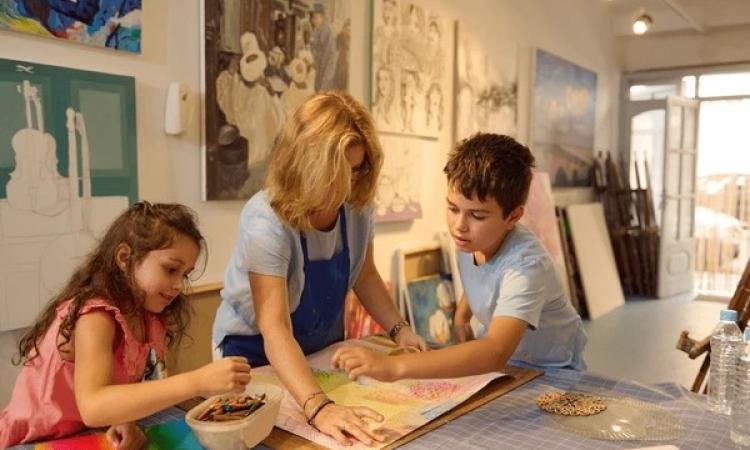
Inspiring Creativity: The Role of Art Teachers
Art teachers play a vital role in shaping young minds. They inspire creativity and nurture self-expression in students.
Through art education, students develop critical thinking and problem-solving skills. Art classes provide a safe space for exploration and imagination.
Art teachers guide students in appreciating diverse art forms and cultures. Their influence extends beyond teaching techniques; they inspire and motivate.
The impact of art education is profound. It enhances cognitive abilities and improves academic performance.
Art teachers are mentors and role models. They help students build confidence and foster a lifelong appreciation for the arts.

The Importance of Art Education
Art education forms the bedrock of a well-rounded curriculum. It is essential for fostering a creative mindset among students. Beyond creativity, art education provides numerous cognitive and emotional benefits.
Students in art classes gain valuable skills. These include critical thinking, problem-solving, and innovative approaches to challenges. Art also enhances focus and attention to detail.
Art education serves multiple purposes. It encourages cultural awareness and respect for diversity. Students learn about history and societal issues through art.
Additionally, art fosters personal growth and self-discovery. The emotional intelligence cultivated in art classes is invaluable. Students learn to express their thoughts and emotions creatively.
Key benefits of art education include:
-
Improved critical thinking and problem-solving skills
-
Enhanced emotional intelligence and self-expression
-
Increased cultural awareness and appreciation
Art classes can also support mental health. They provide a therapeutic space for relaxation and stress reduction. Students can address their emotions through creative expression.
The Multifaceted Role of an Art Teacher
Art teachers wear many hats in the educational environment. They are guides, mentors, and inspirations. Their influence reaches well beyond teaching techniques.
One crucial aspect of their role is to foster creativity and self-expression in students. They create a safe environment where students feel free to explore their imaginations. This freedom is vital for personal development.
Art teachers also focus on building confidence. When students achieve creatively, their self-esteem grows. This newfound confidence often extends into other areas of their lives.
In addition to individual growth, art teachers promote collaboration. Through group projects, students learn to communicate effectively and work as a team. These skills are vital in today's interconnected world.
An art teacher's impact includes:
-
Nurturing creativity and self-expression
-
Building confidence through creative achievements
-
Encouraging teamwork and communication skills
Moreover, art teachers serve as role models. They often inspire students to pursue art further. Their passion for art can ignite a lifelong love for the subject in their students.
Finally, they adapt their teaching methods to various learning styles. This adaptability ensures that every student receives the guidance they need to flourish. Such an inclusive approach makes art accessible to all.
How Art Classes Foster Creativity and Growth
Art classes are a sanctuary for creativity. In these classes, students have the chance to express their unique ideas and perspectives. This expression is essential for personal and academic growth.
Through art, students learn to take creative risks. They experiment with different techniques and materials, discovering new ways to convey ideas. This process helps them develop problem-solving skills essential for their future.
Art classes also encourage innovation. Students are often tasked with projects that challenge traditional boundaries. This exercise fosters adaptability and a creative mindset that transcends the art room.
Additionally, art classes promote emotional well-being. Engaging in creative activities reduces stress and provides a therapeutic outlet for emotions. This is particularly beneficial in an academic setting.
Some key benefits of art classes include:
-
Providing a safe space for self-expression
-
Encouraging creative risk-taking
-
Enhancing problem-solving skills
-
Promoting emotional well-being

by Lemon Ruan (https://unsplash.com/@baffledfish)
Lastly, art classes help students develop a keen eye for detail. They learn to observe and interpret visual information critically. This skill is valuable in our image-rich world, enhancing students' ability to succeed in diverse fields.
Art Teachers as Mentors and Role Models
Art teachers hold an influential role in students' lives. They are more than educators; they inspire, guide, and motivate. By fostering a supportive environment, they help students thrive creatively and personally.
These mentors encourage students to pursue artistic exploration. They instill confidence by providing positive feedback and recognizing students' achievements. This approach nurtures a sense of pride and accomplishment in young artists.
Art teachers often wear many hats, which include:
-
Guiding students through creative challenges
-
Encouraging self-expression and originality
-
Serving as advocates for students' artistic aspirations
By modeling dedication and passion for the arts, art teachers inspire students to value creativity. Their influence extends beyond the classroom, impacting students' lifelong appreciation for art. As role models, they cultivate an environment where students feel supported to explore and create without limits.
The Lasting Impact of Art Education
Art education leaves a profound imprint on students that can shape their futures. It enhances cognitive skills, fostering improved academic performance in other subjects. Students engaged in art develop enhanced problem-solving abilities.
The benefits of art extend beyond academics. It nurtures emotional intelligence and cultural awareness. By understanding diverse art forms, students gain a broader perspective of the world around them. Art education also builds emotional resilience and empathy.
Art education also creates personal growth opportunities. Students discover more about themselves and their interests. Key lifelong skills developed through art education include:
-
Visual literacy in an image-driven society
-
Innovative thinking and adaptability
-
A deep appreciation for various cultures and histories
The skills and insights gained through art can influence students' lives profoundly, preparing them for diverse career paths and personal endeavors.
Celebrating Art Teachers
Art teachers are more than just educators; they are the architects of creativity. Their passion and dedication to fostering artistic expression leave a lasting impact on students. They nurture not only creative skills but also the confidence to explore and innovate.
By embracing diverse teaching methods and inspiring their students, art teachers enrich educational experiences. Their contribution to personal and academic growth highlights the importance of art education in our schools. Celebrating their efforts acknowledges the invaluable role they play in shaping open-minded, culturally aware, and creative individuals. Let us honor and support art teachers, recognizing their vital role in nurturing the artists and thinkers of tomorrow.