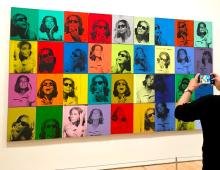

Exploring the Definition of a Masterpiece
We’ve all stood before a famous painting in a crowded museum and wondered, “I don't get it—why is this important?” The art world often feels like an exclusive secret club designed to keep outsiders guessing. Yet, think about a time you were forced to stop walking, perhaps by a massive, weathered bronze sculpture radiating heavy sorrow. That sudden “stop-and-look” instinct is your very first step in understanding a work of art.
Moving past that initial reaction requires crossing the bridge from passively looking to actively seeing. Imagine standing inches from a Vincent van Gogh canvas. First, you notice the physical object itself: thick, jagged peaks of paint swirling aggressively across the sky. This visible detail becomes a gateway to understanding the artist's intense emotional turmoil—a method known as the Object-to-Idea strategy.
According to gallery experts, spotting these intentional choices completely removes the intimidation factor. When a piece hits you emotionally, you experience aesthetic resonance, a powerful, invisible connection between viewer and canvas. Figuring out why it triggers that feeling requires formal analysis, which simply means examining how the artist arranged their colors and shapes. Mastering this basic vocabulary reveals the true criteria for defining a classic masterpiece.
Ultimately, greatness rests on three specific pillars: the artist's technique, their hidden intent, and the work's historical resonance. Once you see how these elements combine, you will realize that knowing how to analyze a painting for beginners isn't about memorizing pretentious theories. Instead, it is simply about learning to listen to a visual story waiting patiently to be heard.
The Four Pillars of Visual Culture: How to Read a Canvas Without an Art Degree
Think of the last time you opened a magazine and naturally scanned from the top-left corner down to the bottom-right. Artists rely on this everyday habit, called the "Z-pattern," to control how you view a canvas. Composition—the way a creator arranges the parts of an image—acts like an invisible roadmap. By placing diagonal lines or pointing gestures along this path, the artist guides your eyes exactly where they want you to look, revealing their story step by step.
Once your eyes are moving, the mood is immediately set by color temperature. We intuitively know that fiery reds and oranges feel energetic or even aggressive, while deep blues and purples feel calm and melancholic. Grasping this psychology of color and composition explains why a serene landscape might suddenly feel tense just by the addition of a sharp, warm yellow sunset against a cool mountain.
Approaching the physical artwork introduces another reality: visual scale. Size dictates your relationship to the piece. A tiny portrait demands you lean in close, creating an intimate, whispered connection. Conversely, a massive canvas towering above you is designed to overwhelm, purposefully making you feel small and awestruck.
Mastering these elements of visual culture and design equips you to interpret works confidently. When a creator perfectly balances where you look, how the colors make you feel, and the physical size of the experience, the emotional result feels priceless. Yet, a piece's emotional impact rarely dictates its auction price, leading us to question why aesthetic value and monetary worth often disagree.
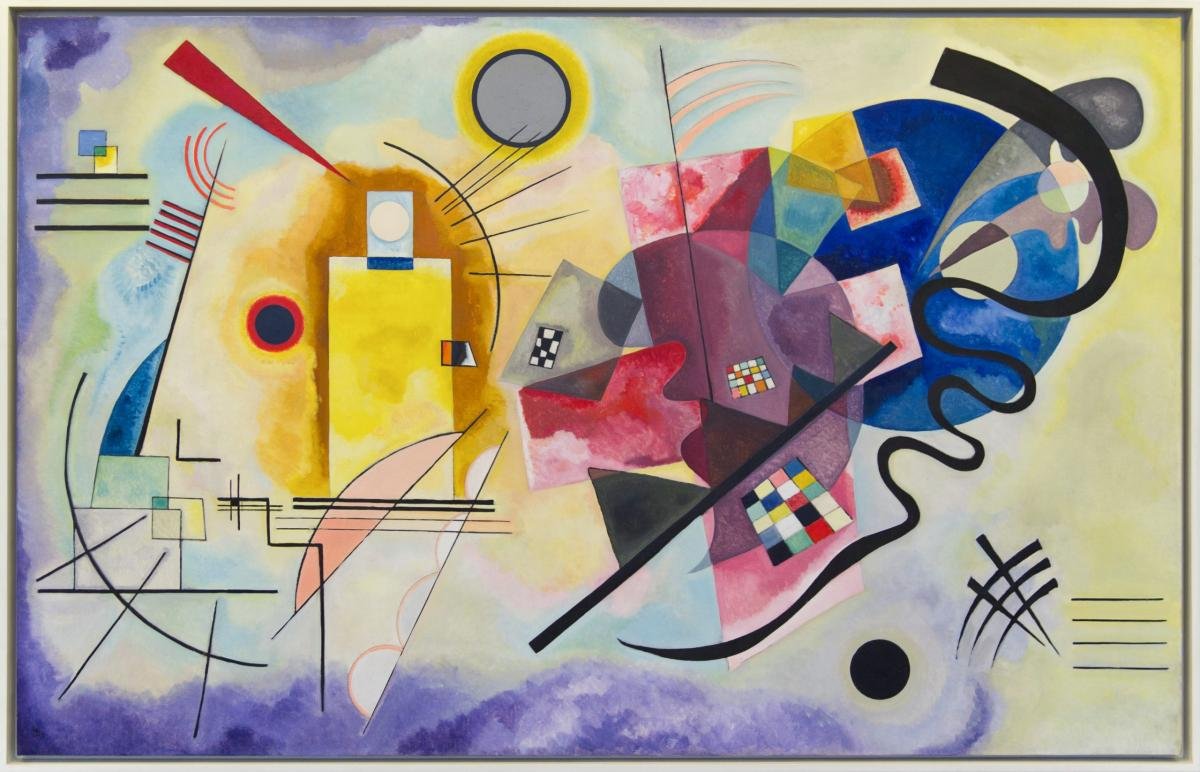
Masterpiece or Marketing? Why Aesthetic Value and Monetary Worth Often Disagree
Headlines frequently broadcast seemingly simple canvases selling for millions, highlighting the gap between aesthetic value vs monetary worth. While your personal taste decides what looks beautiful on your wall, the global art market operates on an "Innovation Premium." Buyers aren't just paying for pretty colors; they are purchasing a piece of history that broke the rules of its time.
To separate a standard painting from a high-stakes investment, appraisers rely on strict rules. The qualifications for an undisputed masterwork generally come down to this four-step checklist:
-
Provenance: The artwork's ownership history. Experts meticulously track auction receipts, gallery records, and letters back to the artist's studio.
-
Rarity: The market scarcity of the creator's available work.
-
Condition: How well the physical materials have survived over time.
-
Historical Significance: The piece's measurable impact on future generations of creators.
Ultimately, a staggering auction price tells a story about a painting's journey through time, not just its emotional resonance. Recognizing that the market values documented pasts and groundbreaking ideas frees you to trust your own taste without feeling intimidated by museum labels. A canvas is a historical document as much as a visual experience, filled with hidden messages left behind.
Cracking the Code: Interpreting Symbolism in Contemporary Masterpieces
Walking into a gallery of contemporary art often feels like stepping into a private conversation. Instead of seeing a traditional landscape, you might encounter a completely unmade bed or a blank canvas. The secret to interpreting symbolism in contemporary masterpieces lies in changing your perspective. Rather than asking, "What is this a picture of?", ask yourself, "What is this object arguing?"
Everyday items frequently become visual metaphors, acting as accessible stand-ins for much larger human experiences. A melting clock on a canvas, for instance, isn't just a quirky way to tell time. It operates as a stark reminder of our own mortality and the unpredictable, fleeting nature of memory.
These creative choices are always deeply tied to a creator's personal history. The role of the artist in society today has evolved beyond simply recording beauty; they now act as active social commentators. When a sculptor who grew up in a collapsed factory town builds an installation from rusted scrap metal, that rust isn't just a texture. It directly symbolizes economic decay and personal loss.
These pieces exist primarily to spark complex emotional debates, shifting the object away from pure functionality.
The Artisan’s Boundary: Navigating the Difference Between Fine Arts and Crafts
Looking at a beautifully woven tapestry, you might wonder where the masterpiece ends and the useful object begins. The simplest way to spot the difference between fine arts and crafts is the "Utility Test." If an item’s main purpose is functional, it is traditionally a decorative craft. Fine art, however, prioritizes contemplation over utility, existing primarily to communicate an idea rather than perform a physical job.
Master artisans possess incredible technical skills, but their intent dictates how we categorize their creations. Consider a formal analysis of sculptural forms: a factory mug is shaped for drinking, whereas an uneven, hand-sculpted clay vessel might intentionally reject usability to express fragility. While both require mastering clay, the non-functional vessel demands interpretation, pushing it across the boundary into fine art.
Today, creative boundaries are blurring as creators mix diverse art styles, crafting furniture meant for museums or sculptures that act as lighting. As these definitions expand, the way we authenticate these creations becomes crucial.

The Paper Trail of Genius: Why Provenance and Preservation Protect the 'Work of Art'
How does a museum know a famous painting is actually by Leonardo da Vinci? The secret lies in provenance—the documented chain of ownership tracing an artwork back to the artist's studio. When specialists determine historical legitimacy, they examine old gallery receipts, wills, and auction records. This paper trail acts as a safeguard, protecting intellectual property in the creative industry by proving the original master's authorship.
Documents alone cannot protect a physical masterpiece from time. This is where methods of art preservation and conservation step in, blending art history with advanced science. Conservators act as art doctors who look beneath the surface. Using tools like X-rays and infrared reflectography—a scanning technique that reveals the artist's hidden pencil sketches underneath the paint—they verify authenticity and map out microscopic damage without ever touching the fragile canvas.
Once authenticated, keeping a piece alive requires strict environmental control to prevent rapid deterioration. Museums specifically guard against the top three threats to art preservation:
-
UV Light: Fades vibrant pigments over time.
-
Humidity Fluctuation: Causes canvases to expand and crack.
-
Improper Handling: Transfers damaging oils from human skin.
Managing these elements, like keeping galleries dim and climate-controlled, extends a masterpiece's life by centuries. Yet, the creative world is evolving beyond physical materials.
From Canvas to Code: How Digital Media and AI are Redefining Creative Expression
Today, an artist can recreate the thick, textured strokes of a classic oil painting on a glowing tablet, using a stylus instead of a bristle brush. This transition showcases the profound impact of digital media on creative expression, where creators can now mix impossible colors and share their visions globally in a matter of seconds.
The landscape of contemporary art deepens further when artificial intelligence enters the studio. Rather than just serving as a high-tech paintbrush, AI often acts as a creative collaborator. Through algorithmic art—where a human writes computer code that generates unpredictable visual patterns—the creator sets the rules, but the machine helps dream up the final image.
This technological leap brings a modern twist to proving an artwork's history. Because digital files are easily copied, safeguarding digital ownership requires new solutions like NFTs (Non-Fungible Tokens). Think of an NFT as a permanent digital certificate of authenticity, serving the exact same purpose as a signed gallery receipt for a physical canvas.
Curating Your Personal Gallery: How to Develop Your Eye and Protect Your Finds
Stepping out of a museum and deciding to bring art into your own home transforms how you experience it. When curating a personal gallery collection, start by developing a "curatorial theme"—a unifying idea, like a specific color palette or a shared feeling of tranquility, that visually ties your diverse pieces together.
Instead of stressing over future resale value, focus on "emotional ROI." This means the return on your investment is measured by the daily joy an artwork brings to your space. Recognizing this shifts how we view the modern artist's societal role; they aren't just producing financial assets, but creating tangible anchors for our daily emotional well-being.
Once you find a piece you love, remember the crucial difference between owning a physical object and holding its copyright. Buying a canvas gives you the exclusive right to hang it on your wall, but the original creator still owns the right to reproduce that image on prints or merchandise.
Gallery visits to find these treasures shouldn't feel intimidating. To confidently evaluate a purchase, ask the gallery owner these five questions:
-
What is the story behind this specific artwork?
-
Can you tell me about the creator's background?
-
How should this medium be framed or cared for?
-
Does the purchase include a certificate of authenticity?
-
Are there any special display requirements regarding lighting?
Mastering these conversations is a vital step on your roadmap to a lifetime of art appreciation.
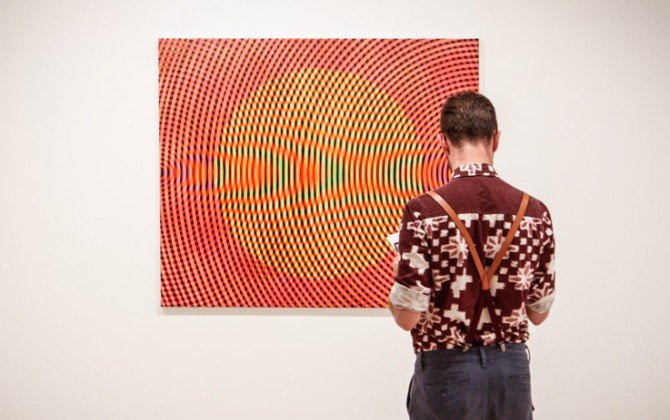
Your Roadmap to a Lifetime of Art Appreciation: From Observer to Informed Critic
A work of art is no longer an intimidating riddle, but a welcoming bridge constructed between the artist’s mind and your observing eye.
By blending your technical knowledge of composition with your natural emotional responses, you can confidently discuss art anywhere. Whether you are exploring different artistic movements or examining how creators document our era, you fully belong in the conversation.
Build this confidence using a one-piece-per-visit strategy. Instead of exhausting yourself by marching past hundreds of frames, dedicate your museum trip to a single creation, letting its unique textures and historical context slowly reveal themselves.
Put this approach into action by visiting a local gallery to observe one piece closely. Ask yourself why the creator chose those specific jagged lines or warm hues, and trust your personal reactions to the answers. You will walk away truly seeing, rather than just passively looking.